Embark on a journey through the realm of windows and doors, where innovation meets functionality to redefine the essence of your living space. From the elegance of different window types to the sturdy allure of door materials, this guide promises to be a captivating exploration into the heart of architectural design.
Delve deeper into the nuances of installation, energy efficiency, security features, maintenance, and more as we unravel the secrets behind these essential elements of your home.
Types of Windows and Doors
Windows and doors play a crucial role in the aesthetics and functionality of a building. Let's explore the different types of windows and doors available in the market.
Types of Windows
- Single-Hung Windows: Feature a movable lower sash and a fixed upper sash.
- Double-Hung Windows: Both the upper and lower sashes are movable for better ventilation.
- Casement Windows: Hinged on one side and open outward, allowing for maximum airflow.
- Sliding Windows: Operate by sliding horizontally, ideal for spaces with limited clearance.
- Awning Windows: Hinged at the top and open outward, providing ventilation even during rain.
Types of Doors
- Wooden Doors: Classic and versatile, offering a timeless look and excellent insulation.
- Steel Doors: Durable and secure, providing added protection against intruders.
- Fiberglass Doors: Low maintenance and energy-efficient, mimicking the look of wood.
- Glass Doors: Enhance natural light and offer a modern aesthetic, commonly used for patio entrances.
Energy Efficiency
Windows and doors can significantly impact the energy efficiency of a building. Properly insulated windows and doors can help reduce heating and cooling costs. Double-pane windows, such as double-hung or casement windows, are known for their excellent energy efficiency due to the insulating air gap between the panes.
When choosing doors, materials like fiberglass or insulated steel can also contribute to energy savings by minimizing heat transfer. It's essential to consider the energy efficiency ratings of windows and doors before making a purchase decision.
Window and Door Materials
When it comes to choosing the right material for windows and doors, there are several options available, each with its own set of pros and cons. Factors such as durability, maintenance requirements, and climate suitability are important considerations when making a decision.
Wood
Wood is a classic choice for windows and doors, known for its natural beauty and traditional appeal. However, wood requires regular maintenance such as painting or staining to prevent rotting, warping, or insect damage. In humid climates, wood may require more upkeep to prevent these issues.
Vinyl
Vinyl windows and doors are popular for their low maintenance requirements and energy efficiency. They are resistant to rotting, fading, and warping, making them a durable option for various climates. However, vinyl may not offer the same aesthetic appeal as wood and can be prone to cracking in extreme temperatures.
Aluminum
Aluminum is a lightweight and strong material often used for modern window and door designs. It is low maintenance, resistant to corrosion, and suitable for coastal areas due to its durability against salt exposure. However, aluminum is a poor insulator and may not be ideal for colder climates.
Fiberglass
Fiberglass windows and doors are known for their strength, durability, and energy efficiency. They require minimal maintenance and are resistant to warping, rotting, and swelling, making them suitable for various climates. While fiberglass may come at a higher cost compared to other materials, its longevity and performance make it a worthwhile investment.
Window and Door Installation
Installing windows and doors properly is crucial for both security and energy efficiency in a building. Here is a step-by-step guide on how to install a window:
Installing a Window
Before beginning the installation process, ensure that you have the necessary tools and materials ready. Measure the window opening accurately to ensure a proper fit for the new window. Remove the old window carefully, taking note of any damages to the frame that may need repair.
- Apply a bead of caulk around the window opening to create a seal against moisture.
- Place the new window into the opening, ensuring it is level and square.
- Secure the window in place by screwing it into the frame according to the manufacturer's instructions.
- Check for any gaps between the window and the frame, and use insulation foam to fill in any spaces to improve energy efficiency.
- Finish the installation by adding trim around the window to provide a clean and polished look.
Tips for Proper Door Installation
Proper door installation is essential for security and energy efficiency. Here are some tips to ensure a successful installation:
- Make sure the door frame is level and square before installing the door to prevent any future issues with operation.
- Use weather-stripping to seal gaps between the door and the frame, preventing drafts and improving energy efficiency.
- Install a deadbolt lock for added security, ensuring that it is properly aligned with the strike plate for maximum effectiveness.
- Consider using a door sweep at the bottom of the door to prevent air leakage and improve insulation.
Importance of Proper Insulation During Installation
Proper insulation during window and door installation is essential to prevent air leakage and improve energy efficiency. Insulation helps create a barrier against heat transfer, keeping the interior of a building comfortable and reducing energy costs.
Energy Efficiency and Cost Savings
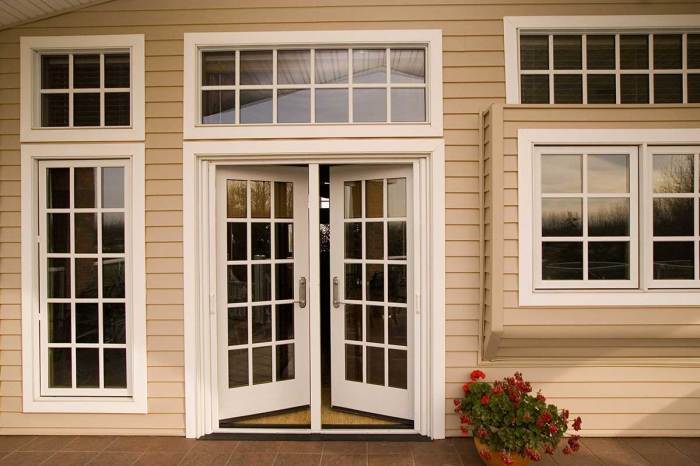
Energy-efficient windows and doors play a crucial role in reducing utility bills for homeowners. By minimizing heat transfer, these energy-efficient elements help maintain a comfortable indoor temperature, reducing the need for excessive heating or cooling.
Impact of Proper Insulation
Proper insulation in windows and doors can significantly impact heating and cooling costs. When windows and doors are well-insulated, they prevent air leakage, maintaining a consistent indoor temperature. This reduces the workload on heating and cooling systems, leading to lower energy consumption and cost savings for homeowners.
Government Incentives
Many governments offer incentives for installing energy-efficient windows and doors. These incentives can come in the form of tax credits, rebates, or grants to encourage homeowners to invest in energy-efficient upgrades. By taking advantage of these incentives, homeowners not only save money on their utility bills but also contribute to environmental sustainability by reducing energy consumption.
Security Features
When it comes to windows and doors, security is a top priority for homeowners. Investing in high-quality security features can provide peace of mind and protect your home from potential intruders. Let's explore some key security features to look for and how to enhance the security of your windows and doors.
Key Security Features
- Quality Locks: Invest in high-quality locks for your windows and doors. Look for options that are durable and tamper-resistant to prevent forced entry.
- Reinforcements: Consider adding reinforcements such as security bars, deadbolts, or strike plates to strengthen the overall security of your windows and doors.
- Impact-Resistant Glass: Opt for impact-resistant glass for windows to increase protection against break-ins and severe weather conditions.
Tips for Enhancing Security
- Install a Home Security System: Consider installing a home security system with sensors on windows and doors for added protection.
- Outdoor Lighting: Ensure proper outdoor lighting to deter intruders and improve visibility around your home.
- Secure Entry Points: Regularly check and maintain the locks and hinges on your windows and doors to ensure they are in good working condition.
Maintenance and Care
Regular maintenance and proper care are essential for ensuring the longevity and functionality of your windows and doors. By following a maintenance schedule and cleaning them effectively, you can extend their lifespan and keep them looking their best.
Cleaning Windows and Doors
- For regular cleaning, use a mild detergent mixed with water to clean the frames and glass of windows and doors.
- Avoid using abrasive cleaners or harsh chemicals as they can damage the finish of the windows and doors.
- When cleaning glass, use a glass cleaner or a solution of vinegar and water for a streak-free shine.
- Wipe down the frames with a damp cloth to remove dust and dirt buildup regularly.
Maintenance Schedule
- Inspect windows and doors for any signs of wear, damage, or malfunction on a quarterly basis.
- Check weather-stripping and seals for any gaps or cracks and replace them if needed to prevent drafts.
- Lubricate hinges, locks, and handles annually to ensure smooth operation.
- Trim vegetation and bushes around windows and doors to prevent damage and maintain proper ventilation.
Tips for Extending Lifespan
- Avoid slamming doors and windows as it can cause misalignment and damage.
- Keep tracks and channels clean and free of debris to prevent sticking and difficulty in opening or closing.
- Apply a protective sealant or paint to wooden frames to safeguard against moisture and rot.
- Consider installing storm windows and doors for added protection and insulation during extreme weather conditions.
Last Point
As we draw the curtains on this enlightening discourse, the narrative of windows and doors leaves an indelible mark on our understanding of home aesthetics and functionality. From enhancing energy efficiency to fortifying security measures, the significance of these elements in our daily lives resonates profoundly.
Answers to Common Questions
What are the benefits of fiberglass windows?
Fiberglass windows offer exceptional durability, low maintenance requirements, and excellent energy efficiency, making them a popular choice for modern homes.
How can I enhance the security of my windows and doors?
Investing in high-quality locks, reinforced frames, and security cameras can significantly boost the security of your windows and doors, providing peace of mind for your household.
What is the recommended maintenance schedule for wooden doors?
Wooden doors should be inspected and refinished annually to prevent warping or rotting, ensuring their longevity and aesthetic appeal over time.