When it comes to roofing options, the debate between flat roofs and shingles often boils down to one key factor: cost. In this comprehensive guide, we'll explore the financial aspects of these two popular choices and help you determine which option may be more budget-friendly for your next project.
As we delve deeper into the specifics of cost breakdowns, durability comparisons, and installation complexities, you'll gain valuable insights that can steer you towards the most cost-effective roofing solution for your needs.
Comparing Costs
When it comes to comparing costs between flat roofs and shingles, there are several factors to consider that contribute to the overall price difference. Let's break down the costs and explore the long-term considerations for each option.
Cost Breakdown
- Flat Roofs:
- Materials: Flat roofs typically require materials like EPDM rubber, TPO, or PVC, which can vary in cost depending on the quality and brand.
- Labor: The installation of a flat roof may require specialized skills and equipment, impacting the labor costs.
- Maintenance: Flat roofs may require more frequent maintenance due to their design, adding to the long-term costs.
- Shingles:
- Materials: Shingles come in various materials such as asphalt, wood, metal, or slate, with asphalt shingles being the most common and cost-effective option.
- Labor: The installation of shingles is generally simpler and quicker, leading to lower labor costs compared to flat roofs.
- Maintenance: Shingles are relatively easy to maintain and repair, reducing long-term maintenance expenses.
Factors Influencing Cost Difference
- Roof Size: The size of the roof directly impacts material and labor costs for both flat roofs and shingles.
- Roof Design: The complexity of the roof design can affect the installation difficulty and, in turn, the overall cost.
- Climate: The climate in your area can influence the choice of roofing material and affect maintenance requirements, impacting costs.
Long-Term Cost Considerations
- Flat Roofs:
- While flat roofs may have higher initial costs, they can be more durable and energy-efficient, potentially reducing long-term expenses.
- Regular maintenance and inspections are crucial to extend the lifespan of a flat roof and minimize repair costs over time.
- Shingles:
- Shingles are cost-effective upfront but may require more frequent replacement, increasing long-term costs.
- Proper maintenance, such as cleaning gutters and replacing damaged shingles promptly, can help prolong the lifespan of a shingle roof.
Durability and Lifespan
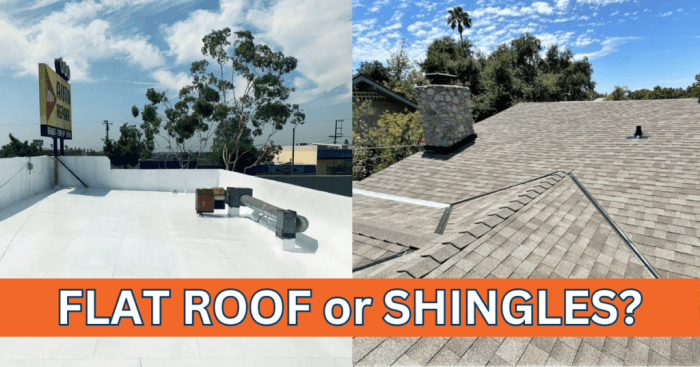
Flat roofs and shingle roofs differ in terms of durability, average lifespan, and maintenance requirements. Let's explore these factors to understand which option may be more cost-effective in the long run.Flat Roofs:Flat roofs are known for their durability and ability to withstand harsh weather conditions.
They are typically made of materials like EPDM rubber, TPO, or PVC, which are designed to be sturdy and long-lasting. Due to their flat surface, they are less prone to wind damage compared to sloped shingle roofs. However, flat roofs may be more susceptible to leaks if not properly installed or maintained.Average Lifespan: The average lifespan of a flat roof can vary depending on the type of material used.
Generally, flat roofs can last anywhere from 10 to 30 years with proper maintenance and occasional repairs.Maintenance Requirements: To ensure the longevity of a flat roof, regular inspections and maintenance are essential. Issues such as ponding water, membrane damage, or flashing problems should be addressed promptly to prevent costly repairs or premature replacement.
Shingle Roofs
Shingle roofs are a popular choice for residential homes due to their affordability and versatility. They are available in various materials such as asphalt, wood, metal, or slate, each offering different levels of durability and longevity. Shingle roofs are more prone to wind damage and may require more frequent repairs or replacements compared to flat roofs.Average Lifespan: The average lifespan of a shingle roof typically ranges from 15 to 30 years, depending on the material quality and maintenance practices.
Asphalt shingles are the most common type and have a lifespan of around 20 years on average.Maintenance Requirements: Shingle roofs require regular inspections to check for missing, cracked, or curled shingles. Additionally, cleaning gutters, removing debris, and addressing any leaks promptly can help extend the lifespan of a shingle roof
Installation Complexity
When it comes to installing flat roofs and shingles, the complexity of the process can greatly impact the overall cost and time required for the project. Let's delve into the details of the installation process and labor costs associated with each type of roofing, as well as compare the time needed for installation between flat roofs and shingles.
Flat Roofs Installation Process
Installing a flat roof typically involves the following steps:
- Clean the roof surface and make any necessary repairs to ensure a smooth base.
- Apply a waterproof membrane or sealing layer to protect against water infiltration.
- Add insulation to improve energy efficiency.
- Install the roofing material, which can vary from built-up roofing (BUR) to single-ply membranes.
- Finish with a protective coating to enhance durability.
Shingles Installation Process
Shingle roofing installation usually includes the following steps:
- Remove the existing roof materials, if necessary, down to the roof deck.
- Install a water-resistant underlayment to shield against moisture penetration.
- Place the shingles in overlapping rows, starting from the bottom up.
- Add flashing around roof protrusions to prevent leaks.
- Secure the shingles with nails and finish with ridge caps for added protection.
Labor Costs and Time Comparison
In terms of labor costs, installing flat roofs can be more expensive due to the specialized skills and expertise required for the job. The intricate nature of flat roof installation, including working with waterproofing materials and ensuring proper drainage, can increase labor costs significantly.On the other hand, shingle roof installation is generally less labor-intensive and therefore tends to be more cost-effective in terms of labor expenses.
The straightforward process of installing shingles, along with the availability of standardized materials, makes it a more budget-friendly option.When it comes to the time required for installation, flat roofs typically take longer to complete compared to shingle roofs. The additional steps involved in flat roof installation, such as applying multiple layers of materials and ensuring proper sealing, can prolong the installation process.Overall, while flat roofs may offer durability and longevity, they come with a higher installation complexity and cost compared to shingle roofs, which are more straightforward and economical to install.
Climate Suitability
When considering whether to install a flat roof or shingles, climate plays a crucial role in determining the most suitable option for your property. The local weather conditions can significantly impact the performance and longevity of the roofing materials, making it essential to choose wisely based on the climate in your area.
Influence of Climate on Roofing Choice
The choice between flat roofs and shingles is influenced by the climate of the region. In areas with heavy rainfall or snowfall, shingles may be a better option due to their ability to shed water and snow effectively. On the other hand, flat roofs are more suitable for regions with low precipitation levels and minimal snow accumulation.
Impact of Weather Conditions
Weather conditions such as extreme heat, strong winds, and frequent storms can affect the performance of both flat roofs and shingles. Shingles may be prone to wind damage and can deteriorate faster in areas with intense sunlight exposure. Flat roofs, on the other hand, can be more susceptible to leaks and water pooling in regions with heavy rainfall.
Considerations for Choosing the Right Option
When deciding between flat roofs and shingles based on climate, it is essential to consider factors such as precipitation levels, temperature variations, and wind patterns in your area. Consulting with a roofing expert can help you determine the most suitable option that will perform well and withstand the local weather conditions effectively.
Outcome Summary
In conclusion, the choice between flat roofs and shingles ultimately hinges on a variety of factors, with cost being a significant consideration. By weighing the costs, durability, and installation requirements of each roofing type, you'll be equipped to make an informed decision that aligns with your budget and long-term goals.
Commonly Asked Questions
Are flat roofs or shingles more affordable?
While flat roofs may have a lower initial cost, shingles can be more cost-effective in the long run due to their durability and longevity.
What factors influence the cost difference between flat roofs and shingles?
Factors such as material quality, installation complexity, and maintenance requirements can all impact the overall cost of flat roofs versus shingles.
How do climate factors affect the choice between flat roofs and shingles?
Climate plays a significant role in determining the ideal roofing type. Flat roofs may be more suitable for warmer climates, while shingles are better equipped to handle harsh weather conditions.