Delving into the realm of managed vs unmanaged server hosting, this article aims to shed light on the distinctions between the two options, helping readers navigate the complexities of web hosting services effectively.
 As businesses and individuals seek the most suitable hosting solution for their websites, understanding the nuances of managed and unmanaged hosting becomes paramount for making informed decisions.
As businesses and individuals seek the most suitable hosting solution for their websites, understanding the nuances of managed and unmanaged hosting becomes paramount for making informed decisions.
Managed vs Unmanaged Server Hosting Overview
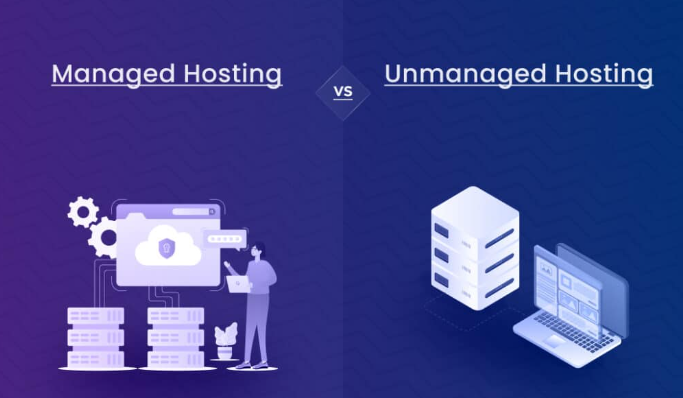
Managed server hosting involves a hosting provider taking care of all server management tasks on behalf of the client. This includes software updates, security patches, monitoring, backups, and technical support. On the other hand, unmanaged server hosting puts the responsibility of server management entirely on the client. This means the client is in charge of software installations, security configurations, troubleshooting, and overall server maintenance.Key Differences between Managed and Unmanaged Server Hosting
- Managed hosting offers convenience and peace of mind to clients as all server management tasks are handled by the hosting provider.
- Unmanaged hosting provides more control and customization options for clients who have the technical expertise to manage their own servers.
- Managed hosting typically comes with a higher price tag due to the added services and support provided by the hosting provider.
- Unmanaged hosting is more cost-effective but requires clients to have the necessary skills and knowledge to manage their servers effectively.
- Managed hosting is ideal for businesses and individuals who prefer a hands-off approach to server management and value reliable support.
- Unmanaged hosting is suitable for tech-savvy clients who want full control over their server configurations and are capable of handling server maintenance independently.
Managed Server Hosting Features
When opting for managed server hosting, businesses can benefit from a range of services and features that can help optimize their online presence. Managed hosting providers take care of the day-to-day management and maintenance of servers, allowing businesses to focus on their core operations.Services Included in Managed Hosting
- 24/7 Technical Support: Managed hosting typically includes round-the-clock technical support to address any issues promptly.
- Regular Backups: Providers often offer automated backups of data to prevent loss in case of hardware failure or cyber attacks.
- Security Monitoring: Managed hosting services include security measures like firewall configuration, malware scanning, and intrusion detection.
- Software Updates: Providers ensure that server software is regularly updated to patch vulnerabilities and improve performance.
- Performance Optimization: Managed hosting includes services to optimize server performance for faster loading times and better user experience.
Benefits of Managed Hosting for Businesses
- Focus on Core Business Activities: With server management taken care of, businesses can focus on growth and innovation instead of technical issues.
- Enhanced Security: Managed hosting providers implement robust security measures to protect data and prevent cyber threats.
- Scalability: Businesses can easily scale their server resources up or down based on their requirements without worrying about technical details.
- Reliability: Managed hosting ensures high uptime and reliability, reducing the risk of downtime that can affect business operations.
Improving Website Performance and Security with Managed Hosting
Managed hosting plays a crucial role in enhancing website performance and security. By optimizing server configurations, monitoring for potential threats, and ensuring regular updates, businesses can provide a seamless user experience while safeguarding sensitive data from cyber attacks. This proactive approach to server management can result in improved website speed, reliability, and overall customer satisfaction.Unmanaged Server Hosting Features
When it comes to unmanaged server hosting, users are responsible for the management and maintenance of the server themselves. This includes tasks such as software installation, security updates, backups, and overall system monitoring.User Responsibilities in Unmanaged Hosting
- Installation and configuration of software
- Security updates and patches
- Regular backups and data management
- Monitoring server performance and uptime
Level of Control in Unmanaged Hosting
In unmanaged hosting, users have full control over the server and can customize it according to their specific needs. This level of control allows users to install any software, make configuration changes, and optimize performance based on their requirements.Potential Drawbacks of Unmanaged Hosting
- Technical expertise required: Users need to have a good understanding of server administration to effectively manage an unmanaged server.
- Time-consuming: Managing all aspects of the server can be time-consuming, especially for users with limited experience.
- Lack of support: Since users are responsible for server management, there is no external support available in case of issues or technical difficulties.
- Security risks: Without proper management and updates, unmanaged servers are more vulnerable to security breaches and data loss.
Cost Comparison
When it comes to hosting services, cost is a significant factor to consider. Managed and unmanaged server hosting options come with different price tags, each catering to specific needs and preferences. Let's delve into the cost implications of each to help you make an informed decision.Pricing Structures
Managed server hosting typically involves a higher upfront cost compared to unmanaged hosting. This is because with managed hosting, you are paying for the provider's expertise, support, and maintenance services. The pricing structure is usually based on a monthly subscription fee, which covers not only the server resources but also the additional support and management services provided by the hosting provider. On the other hand, unmanaged server hosting is more budget-friendly in terms of the base price. This is because you are responsible for managing and maintaining the server yourself. The pricing structure is usually based on a pay-as-you-go model, where you only pay for the server resources you use without additional support services. While the base price may be lower, keep in mind that additional costs may arise if you require technical support or maintenance services.Factors Influencing Cost
- The level of technical expertise required: Managed hosting is ideal for users who lack technical skills or prefer to offload server management tasks to experts. This convenience comes at a higher cost compared to unmanaged hosting, where you need to handle server maintenance yourself.
- Scalability and customization needs: If your website or application requires frequent updates, scalability, or customization, managed hosting might be a better option despite the higher cost. Managed providers often offer seamless scalability and customization options as part of their services.
- Security and compliance requirements: Managed hosting providers typically offer robust security measures and compliance support, which may justify the higher cost for users with strict security or regulatory requirements. Unmanaged hosting requires users to implement their security measures, which can incur additional costs.
- Resource utilization: Unmanaged hosting allows users to control resource allocation and optimize costs based on their usage patterns. In contrast, managed hosting may include fixed resource allocations, which can lead to higher costs if you exceed these limits or require additional resources.
Scalability and Flexibility
In the world of server hosting, scalability and flexibility are crucial factors that businesses need to consider when deciding between managed and unmanaged hosting options. Let's delve into how each type of hosting offers unique benefits in terms of scalability and flexibility.Scalability with Managed Hosting
Managed hosting services often come with the advantage of easy scalability. Providers offer various plans that allow businesses to upgrade their resources as needed, whether it's more storage space, bandwidth, or processing power. This flexibility to scale up or down based on demand ensures that businesses can adapt to changing requirements without worrying about the technical aspects of managing the server.Flexibility in Customization with Unmanaged Hosting
On the other hand, unmanaged hosting provides businesses with a high level of flexibility in customization. With full control over the server, businesses can configure it according to their specific needs and preferences. This level of customization allows for the implementation of unique software configurations, security measures, and optimization techniques tailored to the business's requirements.Scenarios Requiring Scalability and Flexibility
- E-commerce websites experiencing sudden spikes in traffic during promotional events require scalable hosting to ensure smooth performance without downtime.
- Development teams working on specialized projects may opt for unmanaged hosting to have complete control over the server environment for testing and development purposes.
- Growing startups that anticipate rapid expansion may benefit from managed hosting solutions that can quickly adjust resources to accommodate increased traffic and workload.