Diving into the realm of Commercial Roofing Contractors for Waterproof Membrane Systems, this guide offers a detailed insight into the vital role these professionals play in ensuring the durability and functionality of commercial roofs. From selecting the right contractors to understanding the installation process, this topic covers essential aspects that every property owner should be aware of.
Overview of Commercial Roofing Contractors for Waterproof Membrane Systems
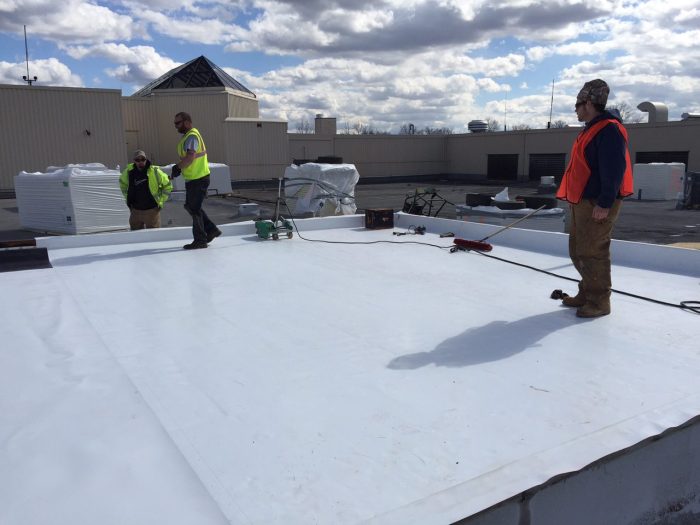
Commercial roofing contractors play a crucial role in the installation of waterproof membrane systems on commercial buildings. These systems are designed to protect the building from water infiltration, ensuring the longevity and structural integrity of the roof.
Importance of Waterproof Membranes in Commercial Roofing
Waterproof membranes are essential for commercial roofing as they provide a protective barrier against water damage. They prevent leaks, mold growth, and other water-related issues that can compromise the building's structure and interior.
- Waterproof membranes can extend the lifespan of a commercial roof by providing an extra layer of protection against the elements.
- They help to maintain a comfortable and safe indoor environment by preventing water intrusion and damage to the building's interior.
- These membranes can also improve energy efficiency by reducing air leakage and heat loss through the roof.
Key Considerations When Selecting Roofing Contractors for Waterproof Membrane Systems
When choosing roofing contractors for waterproof membrane systems, there are several factors to consider to ensure the job is done correctly and efficiently.
- Experience and expertise in installing waterproof membrane systems
- Quality of materials and products used for the installation
- Reputation and track record of the roofing contractor in the industry
- Compliance with safety standards and regulations
- Cost and overall value of the services provided
Types of Waterproof Membrane Systems
When it comes to commercial roofing, there are various types of waterproof membrane systems that are commonly used to ensure durability and protection against the elements. Each type offers unique features and benefits, making it suitable for different project requirements.
TPO (Thermoplastic Polyolefin) Membrane
TPO membranes are known for their flexibility, resistance to UV rays, and heat-welded seams that provide excellent waterproofing. They are lightweight and environmentally friendly, making them a popular choice for commercial roofing projects. An example of a successful implementation of TPO membrane systems is the roofing of large warehouses and industrial buildings.
EPDM (Ethylene Propylene Diene Monomer) Membrane
EPDM membranes are durable, resistant to weathering, and easy to install. They offer excellent flexibility and can withstand extreme temperatures. EPDM membrane systems are commonly used for flat roofs on commercial buildings, such as shopping centers and office complexes.
PVC (Polyvinyl Chloride) Membrane
PVC membranes are highly reflective, fire-resistant, and resistant to chemicals and punctures. They are known for their energy efficiency and long-term performance. PVC membrane systems are often chosen for restaurants, schools, and hospitals due to their durability and low maintenance requirements.
Modified Bitumen Membrane
Modified bitumen membranes are made from asphalt and a polymer blend, offering enhanced flexibility and strength. These membranes can be torch-applied, cold-applied, or self-adhered, providing versatility in installation methods. Modified bitumen membrane systems are commonly used for high-traffic areas on commercial roofs, such as parking garages and walkways.
Liquid Applied Membrane
Liquid applied membranes are seamless, providing excellent waterproofing and protection against leaks. They are easy to apply and can conform to complex roof shapes. Liquid applied membrane systems are ideal for irregularly shaped roofs or roofs with many penetrations, such as hospitals and hotels.
Installation Process
Installing waterproof membrane systems is a crucial step in ensuring the longevity and effectiveness of a commercial roof. Commercial roofing contractors follow a meticulous step-by-step process to ensure that the waterproofing is done correctly and effectively. Let's delve into the installation process and the challenges that may arise during this crucial phase.
Step-by-Step Installation Process
- Preparation of the Roof Surface: The first step involves preparing the roof surface by cleaning and removing any debris or existing waterproofing material.
- Priming the Surface: Once the roof surface is clean, a primer is applied to enhance adhesion between the membrane and the roof.
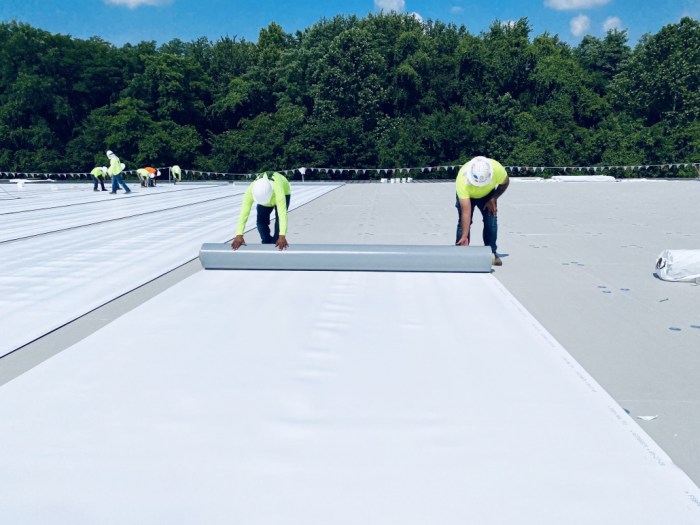
- Installation of the Membrane: The waterproof membrane is then rolled out and carefully installed on the roof surface, ensuring proper alignment and overlap.
- Sealing and Adhering: The seams and edges of the membrane are sealed and adhered using heat, adhesive, or other sealing methods to prevent water infiltration.
- Quality Checks: After the installation is complete, the contractors conduct thorough quality checks to ensure that the membrane is properly installed and sealed.
Challenges and Solutions
- Weather Conditions: Adverse weather conditions such as rain or extreme temperatures can pose challenges during installation. Contractors may need to reschedule the installation or take extra precautions to ensure the membrane adheres properly.
- Surface Preparation: Inadequate surface preparation can lead to poor adhesion of the membrane. Contractors address this by thoroughly cleaning and priming the roof surface before installation.
- Seam Integrity: Ensuring the integrity of seams is crucial for preventing water leakage. Contractors use specialized tools and techniques to seal and reinforce seams effectively.
Best Practices for Successful Installation
- Proper Training: Contractors should ensure that their team is well-trained in the installation of waterproof membrane systems to avoid errors.
- Quality Materials: Using high-quality membranes and adhesives is essential for the longevity and effectiveness of the waterproofing system.
- Regular Maintenance: Regular inspections and maintenance can help identify and address issues before they escalate, ensuring the longevity of the waterproofing system.
Maintenance and Repair
Regular maintenance for commercial roofs with waterproof membrane systems is crucial in ensuring the longevity and performance of the roofing system. By conducting routine inspections and maintenance, roofing contractors can identify and address any issues before they escalate into more significant problems.
Importance of Regular Maintenance
- Inspecting the condition of the waterproof membrane to identify any tears, punctures, or areas of deterioration.
- Cleaning debris and dirt from the roof surface to prevent water ponding and potential damage to the membrane.
- Checking and repairing any flashing or sealant around roof penetrations to maintain the integrity of the waterproofing system.
- Ensuring proper drainage and clearing any clogged gutters to prevent water buildup on the roof.
Typical Repair Procedures
- Identifying the location and extent of damage to the waterproof membrane through a thorough inspection.
- Cleaning and preparing the damaged area for repair by removing any debris or contaminants.
- Applying a compatible waterproofing material or patch to seal the damaged area and restore the integrity of the membrane.
- Inspecting the repaired area to ensure proper adhesion and waterproofing performance.
Sustainability and Environmental Impact
When it comes to commercial roofing, sustainability and environmental impact are crucial factors to consider. Waterproof membrane systems offer a range of benefits in terms of eco-friendliness and reducing environmental footprint.
Benefits of Using Waterproof Membrane Systems
- Waterproof membrane systems help improve energy efficiency by reducing the need for heating and cooling.
- They are durable and long-lasting, reducing the frequency of replacements and minimizing waste.
- These systems can be recycled at the end of their lifespan, further reducing environmental impact.
Contributing to Environmental Conservation
- Commercial roofing contractors can contribute to environmental conservation by using recycled materials in waterproof membrane systems.
- Proper disposal of old membranes and recycling practices can reduce landfill waste.
- Implementing energy-efficient installation techniques can lower energy consumption during the installation process.
Eco-Friendly Practices for Contractors
- Using environmentally friendly adhesives and sealants that have low VOC emissions.
- Implementing proper waste management and recycling practices on the job site.
- Choosing waterproof membrane systems with sustainable certifications, such as LEED or Energy Star.
Closing Notes
In conclusion, Commercial Roofing Contractors for Waterproof Membrane Systems are indispensable in maintaining the integrity of commercial roofs. By following best practices and staying informed about the latest technologies, property owners can ensure long-lasting protection for their buildings.
FAQ Summary
What is the role of commercial roofing contractors in installing waterproof membrane systems?
Commercial roofing contractors specialize in the installation of waterproof membrane systems to provide a watertight seal and protect commercial buildings from water damage.
Why is it important to use waterproof membranes in commercial roofing?
Waterproof membranes act as a barrier against water infiltration, preventing leaks and extending the lifespan of commercial roofs.
What are some common maintenance tasks that roofing contractors perform on waterproof membrane systems?
Regular maintenance tasks include inspecting for damage, cleaning debris, and resealing seams to ensure the effectiveness of waterproof membranes.
How can commercial roofing contractors contribute to reducing the environmental impact of waterproof membrane installations?
Contractors can adopt eco-friendly practices such as using sustainable materials and promoting energy-efficient roofing solutions to minimize environmental impact.