Cost Breakdown: What You Need to Know Before Replacing Your Roof sets the stage for this enthralling narrative, offering readers a glimpse into a story that is rich in detail and brimming with originality from the outset.
Exploring the various costs, factors, and strategies surrounding roof replacement provides a comprehensive guide for homeowners looking to embark on this significant project.
Cost Breakdown for Roof Replacement
When considering replacing your roof, it is essential to understand the breakdown of costs involved in the process. From materials to labor to permits, each component contributes to the overall expense of a roof replacement project.
Materials
- One of the significant costs in roof replacement is the materials used. Different types of roofing materials, such as asphalt shingles, metal, or tile, come at varying price points.
- Asphalt shingles are the most common and affordable option, while metal roofs tend to be more expensive but offer durability and longevity. Tile roofs are also a popular choice but come with a higher price tag.
- Consider the quality and longevity of the materials when making your decision, as this can impact the overall cost over time.
Labor
- The cost of labor for roof replacement can vary depending on the complexity of the job and the experience of the roofing contractors.
- Roofing labor costs typically include the installation of the new roof, removal of the old materials, and any necessary repairs or adjustments.
- Obtain multiple quotes from reputable roofing contractors to compare labor costs and ensure you are getting a fair price for the work.
Permits and Disposal
- Permits are often required for roof replacement projects, and the cost of obtaining these permits should be factored into your budget.
- Disposal of old roofing materials can also add to the overall cost, as you may need to rent a dumpster or pay for disposal fees.
- Be sure to check with your local building department for permit requirements and regulations before starting your roof replacement project.
Size and Complexity
- The size and complexity of your roof will impact the overall replacement costs. A larger roof with multiple angles and features will require more materials and labor, increasing the total expense.
- Roofs with intricate designs or steep slopes may also require specialized equipment or additional safety measures, adding to the complexity and cost of the project.
- Consider these factors when estimating the cost of replacing your roof to ensure you have a realistic budget in place.
Factors Influencing Roof Replacement Costs

When it comes to replacing your roof, several factors can influence the overall cost of the project. Understanding these factors can help you better prepare for the expenses involved and make informed decisions.
Roof's Pitch and Accessibility
The pitch of your roof plays a significant role in determining the cost of replacement. Steeper roofs are more challenging to work on and require additional safety measures, equipment, and labor, which can increase the overall cost. Additionally, roofs that are difficult to access, such as those with limited space for equipment or located in tight urban areas, may also incur higher costs due to the added complexity of the project.
Existing Roof Condition
The condition of your existing roof can impact the cost of replacement. If your roof has extensive damage or issues that need to be addressed before the new roof can be installed, such as rotting wood, leaks, or mold, these repairs can add to the overall expenses.
It is essential to assess the current state of your roof to determine if any additional work is required before the replacement can take place.
Structural Repairs or Upgrades
In some cases, structural repairs or upgrades may be necessary before a new roof can be installed. This can include reinforcing the roof deck, replacing damaged trusses or rafters, or upgrading the insulation for better energy efficiency. These additional tasks can increase the overall cost of the replacement project but are essential for ensuring the longevity and durability of your new roof.
Geographic Location
The geographic location of your property can also influence the pricing of roof replacement. Factors such as local building codes, labor costs, material availability, and weather conditions can vary from one region to another, impacting the overall cost of the project.
It is important to consider these geographical factors when budgeting for your roof replacement to avoid any unexpected expenses.
Cost-Saving Strategies for Roof Replacement
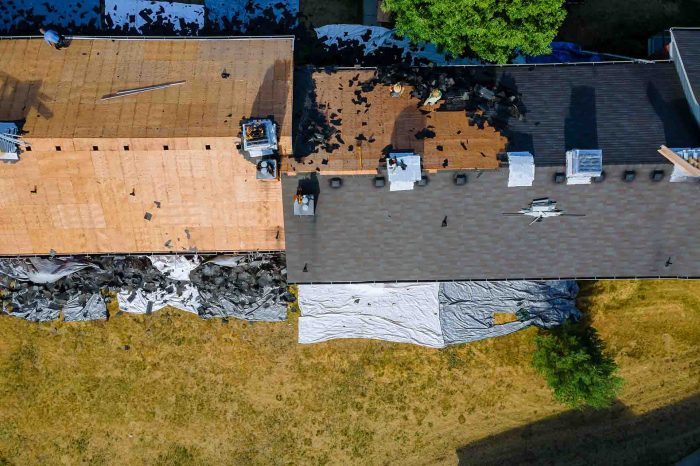
When it comes to replacing your roof, there are several cost-saving strategies you can implement to ensure you stay within budget without compromising on quality. From scheduling the replacement at the right time to exploring financing options, here are some tips to help you save money on your roof replacement project.
Scheduling Roof Replacement During Off-Peak Seasons
Scheduling your roof replacement during off-peak seasons can help you save money. During these times, roofing contractors are less busy, which may result in lower labor costs. Additionally, materials may be more affordable due to decreased demand. By avoiding peak seasons, such as summer when most people tend to get their roofs replaced, you can potentially secure a better deal.
Exploring Financing Options
If you're unable to cover the cost of roof replacement upfront, there are financing options available to help you spread out the expenses. Consider looking into home improvement loans, personal loans, or financing plans offered by roofing companies. Make sure to compare interest rates and terms to choose the most cost-effective option for your situation.
Regular Roof Maintenance for Lower Long-Term Costs
One of the most effective cost-saving strategies for roof replacement is to invest in regular roof maintenance. By keeping your roof in good condition through inspections, repairs, and cleaning, you can extend its lifespan and prevent the need for premature replacement.
Regular maintenance can help you avoid costly repairs and ensure that your roof remains in optimal condition for years to come.
Closing Summary
As we conclude our exploration of Cost Breakdown: What You Need to Know Before Replacing Your Roof, it becomes evident that careful consideration of costs and factors is essential for a successful replacement endeavor. Armed with this knowledge, homeowners can make informed decisions to ensure a durable and cost-effective roof for years to come.
Q&A
What factors impact the cost of roof replacement?
Factors such as materials used, labor costs, roof size, and complexity play a significant role in determining the overall cost of replacing a roof.
Are there financing options available for roof replacement?
Yes, homeowners can explore financing options such as loans, home equity lines of credit, or payment plans offered by roofing companies to cover the expenses of roof replacement.
How can regular roof maintenance help reduce long-term replacement costs?
Regular maintenance helps identify and address issues early, preventing them from escalating into costly repairs or premature roof replacement, ultimately saving homeowners money in the long run.