The Ultimate Guide to Choosing Energy-Efficient Windows and Doors delves into the essential aspects of selecting windows and doors that enhance energy efficiency in your home. From understanding the significance of energy-efficient windows to exploring the impact of different materials, this guide is your go-to resource for creating a more sustainable living space.
As we navigate through the intricate details of energy-efficient windows and doors, you'll discover valuable insights that will empower you to make informed decisions for your home.
Energy-Efficient Windows
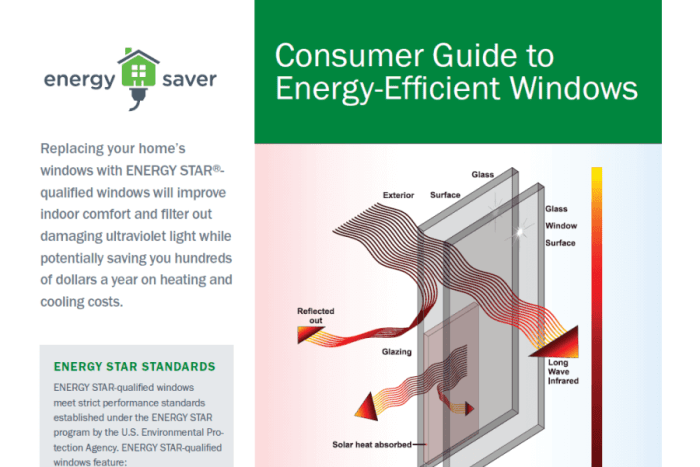
Energy-efficient windows play a crucial role in enhancing the overall energy efficiency of a home. They are designed to minimize heat transfer, reduce energy consumption, and provide better insulation, ultimately leading to cost savings and environmental benefits.
Key Features of Energy-Efficient Windows
- Low-E Coating: Special coating that reflects heat back into the room.
- Multiple Panes: Double or triple-pane windows with gas fills for better insulation.
- Warm Edge Spacers: Reduce heat loss at the window edges.
- Insulated Frames: Materials like vinyl, fiberglass, or wood with thermal breaks.
Types of Energy-Efficient Windows
- Double-Pane Windows: Basic energy-efficient option with two panes of glass.
- Triple-Pane Windows: Offers enhanced insulation with three panes of glass.
- Gas-Filled Windows: Filled with argon or krypton gas for better insulation.
Benefits of Installing Energy-Efficient Windows
- Energy Savings: Reduced heating and cooling costs throughout the year.
- Increased Comfort: Eliminates drafts and maintains consistent indoor temperatures.
- Noise Reduction: Better insulation leads to a quieter interior environment.
- Environmental Impact: Lower carbon footprint due to reduced energy consumption.
Factors to Consider
When choosing energy-efficient windows, there are several important factors to consider to ensure maximum efficiency and cost-effectiveness. One of the key elements to pay attention to is the materials used in the windows, as they can have a significant impact on energy efficiency.
Proper installation is also crucial for maximizing the energy-saving benefits of windows. Additionally, the number of panes in a window, whether it's single-pane, double-pane, or triple-pane, plays a major role in determining the window's energy efficiency.
Impact of Window Materials on Energy Efficiency
The materials used in the construction of windows can greatly affect their energy efficiency. For example, vinyl windows are known for their insulation properties and durability, making them a popular choice for energy-efficient windows. On the other hand, aluminum frames are less energy-efficient due to their conductivity, which can lead to heat loss.
Choosing the right materials, such as fiberglass or wood-clad windows, can significantly improve the energy efficiency of your home.
Significance of Proper Installation
Proper installation of energy-efficient windows is essential to ensure optimal performance. Poor installation can lead to air leaks, reducing the window's ability to insulate your home effectively. Hiring a professional installer who follows best practices and seals gaps properly can help maximize the energy-saving benefits of your windows.
Comparison of Single-Pane, Double-Pane, and Triple-Pane Windows
Single-pane windows are the least energy-efficient option, providing minimal insulation and often leading to heat loss. Double-pane windows, with two layers of glass separated by a spacer, offer better insulation and energy efficiency. Triple-pane windows, with three layers of glass, provide the highest level of insulation and energy efficiency, making them the most energy-efficient option.
While triple-pane windows may have a higher upfront cost, they can lead to significant energy savings in the long run.
Energy-Efficient Doors
When it comes to home energy conservation, energy-efficient doors play a crucial role in ensuring optimal insulation and reducing energy costs. Choosing the right door can significantly impact the overall energy efficiency of your home.
Key features to look for in energy-efficient doors include:
Types of Energy-Efficient Doors
- Fiberglass Doors: Known for their durability and energy efficiency, fiberglass doors offer excellent insulation properties and are resistant to warping, cracking, and rotting.
- Steel Doors: Steel doors are another popular choice for energy efficiency, providing strength, security, and good insulation. They are also low maintenance and offer a sleek, modern look.
- Wood Doors: While wood doors are a classic option, they can also be energy-efficient when properly insulated. They offer a warm, natural look and can be customized to suit your home's style.
Weatherstripping and Door Seals
Weatherstripping and door seals are essential components of energy-efficient doors, helping to prevent air leakage and maintain a consistent indoor temperature. Properly installed weatherstripping and seals can significantly reduce energy loss and improve overall energy efficiency.
Design and Aesthetics
When choosing energy-efficient windows and doors, it's essential to consider not only their energy-saving capabilities but also how well they complement the overall design of your home. Here are some tips and insights to help you make the right choice.
Tips for Matching Design with Energy Efficiency
- Choose windows and doors that fit the architectural style of your home. For example, traditional homes may benefit from classic wooden windows, while modern homes could look great with sleek, energy-efficient aluminum frames.
- Consider the color and finish of the windows and doors to ensure they enhance the aesthetic appeal of your home. Opt for neutral tones or colors that complement the exterior palette.
- Look for design features such as grids, decorative glass, or hardware that can add character and charm to your windows and doors while still maintaining energy efficiency.
Latest Trends in Energy-Efficient Designs
- Contemporary designs with slim frames and larger glass panes are gaining popularity for their modern look and ability to maximize natural light.
- Triple-glazed windows are becoming more common for improved insulation and energy efficiency, especially in colder climates.
- Smart technologies like sensors and automated controls are being integrated into windows and doors to enhance energy efficiency and convenience.
Balancing Aesthetics with Energy Efficiency
- Consider the U-factor and Solar Heat Gain Coefficient (SHGC) ratings of windows and doors to ensure they are energy efficient without compromising on style.
- Opt for energy-efficient materials like fiberglass, vinyl, or composite frames that offer both insulation and durability while still providing aesthetic appeal.
- Explore different design options such as casement, double-hung, or sliding windows to find the right balance between energy efficiency and aesthetics for your home.
Customizing for Specific Architectural Styles
- For traditional or historic homes, consider custom wood windows with intricate details that match the original architectural style while incorporating energy-efficient features.
- For contemporary or minimalist designs, opt for high-performance windows and doors with clean lines and a sleek finish to complement the modern aesthetic.
- Work with a professional designer or window manufacturer to customize windows and doors that blend seamlessly with the unique architectural features of your home while still meeting energy efficiency standards.
Maintenance and Longevity
Maintaining energy-efficient windows and doors is essential in ensuring their optimal performance and longevity. Regular upkeep can also help in maximizing energy savings and preventing costly repairs in the long run.
Maintenance Requirements
- Regularly clean windows and doors with a mild detergent and water to remove dirt and debris.
- Inspect weather-stripping and seals for any signs of wear and tear, and replace as needed to prevent drafts.
- Lubricate hinges, locks, and sliding mechanisms to ensure smooth operation.
- Check for any cracks or damage to the frames and glass, and repair or replace as necessary.
Lifespan Comparison
- Energy-efficient windows and doors generally have a longer lifespan compared to standard options due to their high-quality materials and construction.
- Standard windows and doors may need to be replaced every 10-20 years, while energy-efficient ones can last 20-40 years or more with proper care.
Tips for Prolonging Lifespan
- Regularly inspect windows and doors for any signs of damage or wear, and address issues promptly.
- Avoid harsh cleaning agents or abrasive materials that can damage the surfaces of energy-efficient windows and doors.
- Consider adding storm windows or doors for added protection against the elements and increased energy efficiency.
Importance of Regular Inspections
Regular inspections of energy-efficient windows and doors are crucial for maintaining their energy-saving benefits and performance. By identifying and addressing any issues early on, you can prevent larger problems and ensure that your windows and doors continue to function effectively for years to come.
Ending Remarks
In conclusion, The Ultimate Guide to Choosing Energy-Efficient Windows and Doors equips you with the knowledge needed to transform your home into a more energy-efficient and environmentally friendly haven. By implementing the tips and recommendations Artikeld in this guide, you can enhance both the comfort and sustainability of your living space.
Detailed FAQs
What are the benefits of installing energy-efficient windows?
Energy-efficient windows can help reduce energy costs, improve indoor comfort, and contribute to environmental sustainability by lowering carbon emissions.
How do different window materials impact energy efficiency?
Window materials like vinyl, fiberglass, and wood have varying insulation properties, affecting the overall energy efficiency of the windows.
What maintenance is required for energy-efficient windows and doors?
Regular cleaning, inspection of seals, and repairs if needed are essential to maintain the energy efficiency of windows and doors.
How can I prolong the lifespan of energy-efficient windows and doors?
Proper installation, regular maintenance, and ensuring proper sealing are key factors in extending the lifespan of energy-efficient windows and doors.