As Board and Batten vs. Traditional Siding: Which Adds More Value to Your Home? takes center stage, this opening passage beckons readers with casual formal language style into a world crafted with good knowledge, ensuring a reading experience that is both absorbing and distinctly original.
In the following paragraphs, we will delve into the characteristics, costs, installation process, maintenance requirements, energy efficiency, visual appeal, longevity, and durability of both board and batten siding and traditional siding to determine which adds more value to your home.
Overview of Board and Batten Siding and Traditional Siding
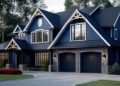
Board and batten siding is a style of exterior cladding that features alternating wide boards (the boards) and narrow strips (the battens) to create a vertical design. This siding style has a more rustic and traditional look, often associated with barns and farmhouses.Traditional siding, on the other hand, encompasses a range of materials such as vinyl, wood, fiber cement, or brick that are installed horizontally or sometimes vertically.
Traditional siding offers a variety of styles and textures to suit different architectural designs and preferences.
Characteristics of Board and Batten Siding
- Vertical design created by wide boards and narrow battens
- Rustic and traditional aesthetic
- Often used on barns and farmhouses
Features of Traditional Siding
- Horizontal or vertical installation
- Available in various materials such as vinyl, wood, fiber cement, or brick
- Diverse styles and textures to match different architectural designs
Cost Comparison
When considering siding options for your home, cost is a crucial factor to take into account. Let's break down the costs associated with board and batten siding versus traditional siding to help you make an informed decision.
Board and Batten Siding Costs
- Board and batten siding typically costs between $6 to $10 per square foot for materials.
- Installation costs can range from $4 to $8 per square foot, depending on the complexity of the project and labor costs in your area.
- Additional expenses may include paint or stain for finishing the siding, as well as any necessary trim pieces or accessories.
Traditional Siding Costs
- Traditional siding options like vinyl or fiber cement can cost between $3 to $7 per square foot for materials.
- Installation costs for traditional siding may range from $3 to $6 per square foot, but can vary based on the type of material and labor costs.
- Additional expenses may include insulation, underlayment, and any trim pieces or accessories needed to complete the installation.
Installation Process
When it comes to adding siding to your home, understanding the installation process is crucial. Let's delve into how board and batten siding and traditional siding are installed to help you make an informed decision.
Board and Batten Siding Installation
Board and batten siding installation involves the following steps:
- Prepare the walls by ensuring they are clean, dry, and free of any debris.
- Install the furring strips vertically on the walls to create a flat surface for the siding.
- Cut the boards to the desired length and attach them vertically to the furring strips, leaving a small gap between each board.
- Install the batten strips over the gaps between the boards to create a sealed finish.
- Finish by painting or staining the siding to your preferred color.
Traditional Siding Installation
Installing traditional siding involves the following steps:
- Prepare the walls by ensuring they are clean, dry, and free of any debris.
- Install flashing and trim around windows, doors, and corners to ensure a watertight seal.
- Attach the first row of siding at the bottom of the wall, following manufacturer instructions for spacing and fastening.
- Continue installing subsequent rows of siding, ensuring proper overlap and alignment.
- Finish by adding trim pieces, corner pieces, and any necessary accessories to complete the look.
Maintenance Requirements
When it comes to maintaining your siding, both board and batten siding and traditional siding have specific requirements to keep them looking their best and lasting longer.
Board and Batten Siding Maintenance
- Regular cleaning: Board and batten siding should be cleaned at least once a year to remove dirt, dust, and mildew that can accumulate over time. This can typically be done with a hose and mild detergent.
- Inspection for damage: It's important to regularly inspect your board and batten siding for any signs of damage, such as cracks, warping, or rot. Any issues should be addressed promptly to prevent further damage.
- Repainting or re-staining: Depending on the type of finish on your board and batten siding, you may need to repaint or re-stain it every few years to maintain its appearance and protect it from the elements.
Traditional Siding Maintenance
- Regular cleaning: Traditional siding, such as vinyl or wood, also requires regular cleaning to prevent mold, mildew, and dirt buildup. This can usually be done with a power washer or a mild cleaning solution.
- Inspection for damage: Just like board and batten siding, traditional siding needs to be inspected for any damage, such as cracks, rot, or insect infestations. Any issues should be repaired promptly.
- Repairs and replacements: Traditional siding may require more frequent repairs or replacements compared to board and batten siding, especially if it's made of wood or metal that is prone to rot or corrosion.
Energy Efficiency
When it comes to choosing between board and batten siding and traditional siding for your home, considering the energy efficiency of each option is crucial. Energy efficiency can have a significant impact on your utility bills and overall comfort within your home.
Board and Batten Siding
Board and batten siding, with its vertical design and overlapping boards, can provide better insulation for your home compared to traditional horizontal siding. This design helps create an additional barrier against heat loss in the winter and heat gain in the summer.
As a result, board and batten siding can contribute to better energy efficiency, ultimately reducing your heating and cooling costs.
Traditional Siding
Traditional siding, such as vinyl or wood horizontal planks, may not offer the same level of energy efficiency as board and batten siding. With its less overlapping structure, traditional siding may not provide as effective insulation, leading to potential energy loss through the walls.
This could result in higher energy consumption and increased utility bills over time.
Visual Appeal
When it comes to the visual appeal of siding options for your home, both board and batten siding and traditional siding offer unique aesthetics that can enhance the overall look of your property.
Board and Batten Siding
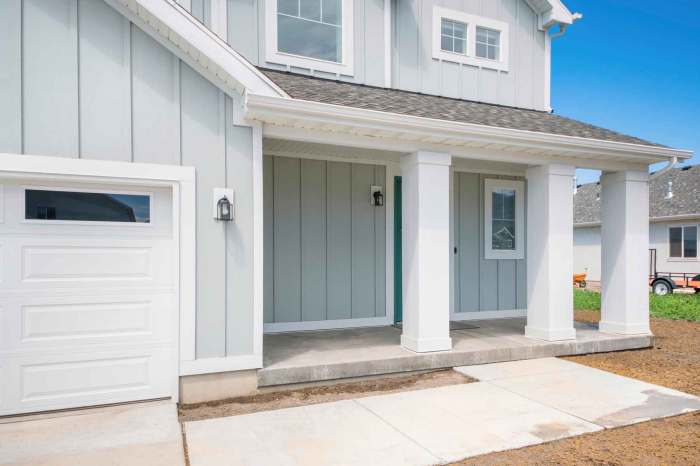
Board and batten siding is known for its rustic and charming appearance. The vertical boards paired with narrow strips (battens) create a distinctive, textured look that adds character to any home. This style is often seen in farmhouse or cottage-style architecture, but it can also be used to give a modern home a touch of warmth and interest.
Traditional Siding
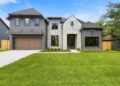
Traditional siding options like vinyl, wood, or fiber cement come in a variety of styles and finishes, offering a more classic and versatile look. Whether you prefer the clean lines of horizontal lap siding or the intricate details of cedar shakes, traditional siding provides a timeless appeal that can complement any architectural style.
Longevity and Durability
When it comes to choosing siding for your home, considering the longevity and durability of the material is crucial. Let's delve into how board and batten siding and traditional siding stack up in terms of durability and lifespan.
Board and Batten Siding
Board and batten siding is known for its exceptional durability. Typically made from wood, vinyl, or fiber cement, this type of siding can withstand various weather conditions and is resistant to rot, pests, and moisture damage. With proper maintenance, board and batten siding can last for decades, making it a long-lasting choice for homeowners.
Traditional Siding
Traditional siding options like vinyl, wood, or fiber cement also offer good durability. These materials are designed to withstand the elements and provide protection for your home. While the lifespan of traditional siding can vary depending on the material used and maintenance efforts, with routine care and upkeep, traditional siding can also last for many years.
Last Point
In conclusion, the comparison between Board and Batten vs. Traditional Siding sheds light on the various aspects that can impact the value of your home. Whether you prioritize aesthetics, cost-effectiveness, or durability, understanding these factors can help you make an informed decision that suits your preferences and enhances your property's worth.
FAQ Overview
What are the main differences between board and batten siding and traditional siding?
Board and batten siding features wide boards with narrow strips (battens) covering the seams, providing a more rustic look compared to the uniform appearance of traditional siding.
Which type of siding is easier to maintain?
Board and batten siding typically requires more maintenance due to the need for regular painting or staining to keep it looking fresh, while traditional siding may need occasional repairs but generally has lower maintenance needs.
Is board and batten siding more energy-efficient than traditional siding?
Board and batten siding can provide better insulation due to the extra layering, making it potentially more energy-efficient compared to traditional siding.