As top energy efficient building designs in 2025 take the spotlight, readers are invited into a realm of innovative concepts and sustainable practices. This introduction sets the stage for a captivating exploration of the evolving landscape of energy-efficient architecture.
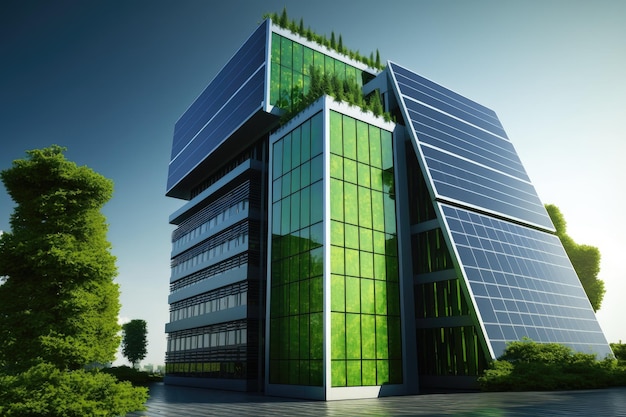
Top energy efficient building designs in 2025
Energy-efficient building design in 2025 is centered around key principles aimed at reducing energy consumption and promoting sustainability. These designs incorporate the latest technological advancements and innovative materials to create structures that have a minimal impact on the environment.Key Principles of Energy-Efficient Building Design
- Optimal insulation to reduce heat loss and gain
- Integration of renewable energy sources such as solar panels
- Efficient lighting and HVAC systems
- Smart building automation for energy management
Significance of Energy-Efficient Buildings in Reducing Carbon Footprint
Energy-efficient buildings play a crucial role in reducing carbon footprint by lowering energy consumption and greenhouse gas emissions. They contribute to sustainability efforts and help combat climate change by promoting eco-friendly practices in construction and operation.Latest Technological Advancements in Energy-Efficient Building Designs
- Use of advanced building automation systems for energy monitoring and control
- Integration of Internet of Things (IoT) for efficient energy management
- Development of energy-efficient glazing and insulation materials
- Implementation of passive design strategies for natural lighting and ventilation
Innovative Materials Used in Energy-Efficient Construction
- Green roofs and walls for thermal insulation and stormwater management
- Recycled and sustainable materials for construction
- High-performance glass with low emissivity coatings
- Phase change materials for thermal energy storage
Sustainable features in modern building designs
As we strive towards a more sustainable future, modern building designs are incorporating various features to enhance energy efficiency and reduce environmental impact.Passive design strategies for energy efficiency
Passive design strategies focus on optimizing the building's natural resources, such as sunlight and ventilation, to reduce the need for artificial heating, cooling, and lighting. By strategically placing windows, shading devices, and insulation, buildings can maintain comfortable indoor temperatures without excessive energy consumption.Comparison of renewable energy sources in building design
Renewable energy sources like solar panels, wind turbines, and geothermal systems are increasingly being integrated into building designs to generate clean energy on-site. While solar panels are the most common choice for harnessing renewable energy, each source has its own advantages and limitations based on location, building orientation, and cost-effectiveness.Role of smart technologies in optimizing energy consumption
Smart technologies, such as building automation systems and energy management software, play a crucial role in optimizing energy consumption in buildings. These systems monitor and control energy use in real-time, adjusting lighting, HVAC systems, and other equipment to maximize efficiency and minimize waste.Integration of green roofs and vertical gardens for energy efficiency
Green roofs and vertical gardens are innovative solutions that not only enhance the aesthetic appeal of buildings but also contribute to energy efficiency. Green roofs provide natural insulation, reduce stormwater runoff, and improve air quality, while vertical gardens help regulate indoor temperatures, reduce heat gain, and promote biodiversity in urban environments.Trends in green building certifications and standards
Green building certifications and standards play a crucial role in promoting energy-efficient designs and sustainable practices in the construction industry. Adhering to these certifications not only ensures environmental conservation but also improves the overall performance and quality of buildings.The most recognized green building certifications for energy-efficient designs
- LEED (Leadership in Energy and Environmental Design): Developed by the U.S. Green Building Council, LEED is one of the most widely recognized green building certifications globally.
- BREEAM (Building Research Establishment Environmental Assessment Method): Widely used in Europe, BREEAM focuses on sustainable construction and energy efficiency.
- Green Star: A certification system from the Green Building Council of Australia that evaluates the environmental performance of buildings.