Exploring the realm of Home Siding Replacement Near Me: Energy-Efficient Materials for 2025 sets the stage for a journey filled with innovation and practicality. Let's delve into the realm of energy-efficient siding materials and discover the key to a more sustainable future for your home.
Choosing Energy-Efficient Materials
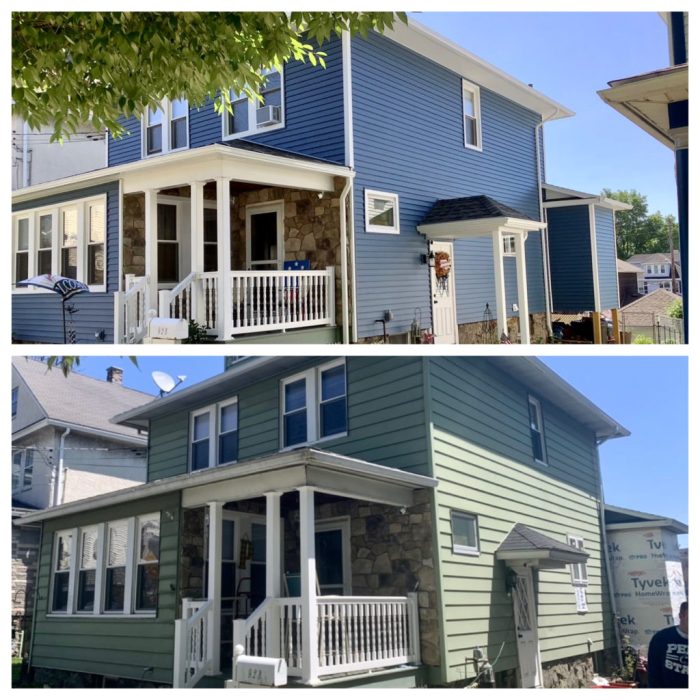
When it comes to choosing energy-efficient siding materials for 2025, there are several options available that can help reduce energy consumption and lower utility costs. These materials not only contribute to sustainability but also provide long-term benefits for homeowners.
Comparing Energy-Efficient Siding Materials
- Vinyl Siding: Vinyl siding is a popular choice for its durability and low maintenance requirements. It provides good insulation, helping to regulate indoor temperatures and reduce energy usage.
- Fiber Cement Siding: Fiber cement siding is known for its strength and resistance to elements such as fire, moisture, and pests. It also offers excellent insulation properties, keeping homes cooler in summer and warmer in winter.
- Wood Siding: Wood siding is a natural and renewable option that provides good insulation. However, it requires more maintenance compared to other materials and may not be as energy-efficient in the long run.
Benefits of Energy-Efficient Siding Materials
- Improved Energy Efficiency: Energy-efficient siding materials help reduce heat loss in winter and heat gain in summer, resulting in lower energy consumption for heating and cooling.
- Enhanced Comfort: By maintaining consistent indoor temperatures, energy-efficient siding materials create a more comfortable living environment for homeowners.
- Cost Savings: Lower energy bills due to reduced heating and cooling expenses make energy-efficient siding a cost-effective choice in the long term.
Impact on Utility Costs
- Reduced Heating and Cooling Costs: Energy-efficient siding materials can significantly lower heating and cooling costs by improving insulation and reducing the need for constant adjustments to indoor temperatures.
- Long-Term Savings: While the initial investment in energy-efficient siding may be higher, the long-term savings on utility bills make it a worthwhile investment for homeowners looking to reduce their energy expenses.
- Environmental Benefits: By reducing energy consumption, energy-efficient siding materials help lower carbon emissions and contribute to a more sustainable living environment.
Popular Energy-Efficient Siding Options
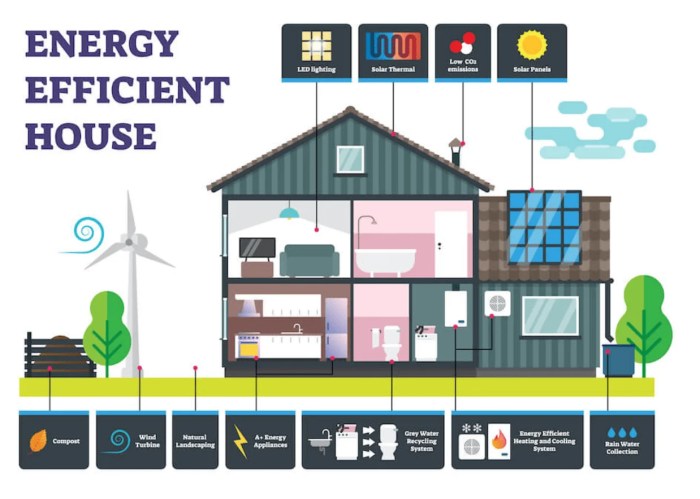
When it comes to energy-efficient siding options for 2025, homeowners have a variety of choices that not only enhance the sustainability of their homes but also add to the overall curb appeal. Let's explore some of the top trending materials in the market.
Fiber Cement Siding
Fiber cement siding is a durable and low-maintenance option that is known for its longevity and resistance to fire, insects, and rot. Made from a mix of cement, sand, and cellulose fibers, this material offers excellent insulation properties, helping to reduce energy costs.
With a wide range of colors and textures available, fiber cement siding can mimic the look of wood, stucco, or stone, providing a versatile aesthetic appeal.
Vinyl Siding
Vinyl siding is a popular choice for its affordability, durability, and energy efficiency. This material is resistant to moisture, fading, and pests, making it a low-maintenance option for homeowners. With advancements in technology, vinyl siding now comes in a variety of colors and styles, including options that mimic the look of wood or cedar shakes.
Its insulating properties can help improve the overall energy efficiency of a home.
Engineered Wood Siding
Engineered wood siding combines the natural beauty of wood with the durability of engineered materials. This siding option is made from wood fibers, resins, and wax, providing a strong and stable product that is resistant to moisture and pests. Engineered wood siding comes in a range of styles and finishes, offering a traditional aesthetic appeal with modern performance benefits.
Metal Siding
Metal siding, such as steel or aluminum, is a durable and energy-efficient option that can withstand harsh weather conditions. This material is resistant to fire, rot, and pests, making it a low-maintenance choice for homeowners. Metal siding is available in a variety of colors and profiles, offering a sleek and modern aesthetic appeal to homes.
Installation Considerations
When it comes to replacing siding with energy-efficient options, the installation process plays a crucial role in ensuring the maximum benefits of these materials. Proper installation can help optimize energy efficiency and the overall performance of the siding.One of the key considerations during the installation of energy-efficient siding materials is the need for a proper air and moisture barrier.
These barriers help prevent air leakage and moisture infiltration, which can impact the insulation properties of the siding. It is essential to ensure that the barriers are correctly installed to maintain the energy efficiency of the materials.Additionally, special attention should be paid to the sealing and caulking of joints and seams to prevent any gaps that could compromise the energy efficiency of the siding.
Proper sealing helps maintain the integrity of the insulation and ensures that the siding can effectively regulate the temperature inside the home.
Professional Installation Benefits
Professional installation is highly recommended when replacing siding with energy-efficient materials. Here are some reasons why professional installation is important for maximizing energy efficiency:
- Expertise: Professionals have the knowledge and experience to install energy-efficient siding correctly, ensuring optimal performance.
- Precision: Professional installers can ensure that the siding is properly sealed and installed, minimizing the risk of air leakage and heat loss.
- Warranty: Many energy-efficient siding manufacturers require professional installation to maintain the warranty of the materials.
Cost and Return on Investment
When considering the cost of energy-efficient siding materials, it is important to weigh the initial investment against the long-term savings. While energy-efficient materials may have a higher upfront cost compared to traditional options, they can result in significant savings on energy bills over time.
This makes them a cost-effective choice in the long run.
Return on Investment Analysis
- Energy-efficient siding materials can help homeowners save money on heating and cooling costs by improving insulation and reducing energy consumption.
- According to studies, upgrading to energy-efficient siding can provide a return on investment of up to 80% or more over the lifespan of the materials.
- Homeowners can also benefit from increased property value and potential tax incentives for using energy-efficient materials, further enhancing the return on investment.
Financing Options
- Homeowners interested in siding replacement can explore financing options such as home improvement loans, energy-efficient mortgages, or rebates and incentives offered by government programs.
- Some manufacturers and contractors may also offer financing or payment plans to help homeowners afford the upfront costs of energy-efficient siding materials.
- It is advisable to research and compare different financing options to find the best fit for your budget and long-term financial goals.
Epilogue
As we conclude our discussion on Home Siding Replacement Near Me: Energy-Efficient Materials for 2025, it becomes evident that choosing the right siding can enhance both the aesthetics and energy efficiency of your home. Embrace the future with these modern solutions that not only save costs but also contribute to a greener environment.
Questions Often Asked
What are some benefits of using energy-efficient siding materials?
Energy-efficient siding materials can help reduce utility costs, improve insulation, and enhance the overall comfort of your home.
How do the costs of energy-efficient siding materials compare to traditional options?
While the initial costs may be higher, the long-term savings and energy efficiency benefits outweigh the upfront investment.
Is professional installation necessary for energy-efficient siding?
Professional installation is crucial to ensure maximum energy efficiency and the proper functioning of energy-efficient siding materials.