Delving into the intricacies of Roof Estimate Breakdown: Understanding Labor, Materials & Warranty, this article sets the stage for a comprehensive exploration of the key components that shape the cost estimation process in roofing projects.
Exploring the nuances of labor, materials, and warranties, readers will gain valuable insights into the factors that influence pricing and the importance of each element in the overall estimation.
Labor Cost Breakdown
When it comes to estimating the cost of a roofing project, labor is a significant factor that contributes to the overall expenses. Understanding the breakdown of labor costs can help homeowners make informed decisions and budget effectively for their roofing needs.
Types of Labor Involved
- Roofing Contractors: These professionals oversee the entire project, from initial assessment to completion.
- Roofing Installers: Skilled workers who handle the installation of roofing materials.
- Laborers: Assist in the manual labor involved in the project, such as carrying materials and cleaning up debris.
- Specialized Workers: Such as electricians or plumbers, may be needed for specific roofing projects.
Complexity and Labor Costs
The complexity of a roofing project can have a direct impact on labor costs. Projects that require intricate designs, multiple levels, or specialized materials may require more labor hours, resulting in higher costs. Additionally, factors like the slope of the roof, accessibility, and weather conditions can also influence labor expenses.
Skilled vs. Unskilled Labor
Skilled labor is crucial for ensuring the quality and longevity of a roof. While unskilled labor may come at a lower cost, it can lead to issues like improper installation, leaks, and costly repairs in the future. Investing in skilled labor may initially increase the estimate but can ultimately save money in the long run by reducing the need for repairs and replacements.
Materials Cost Breakdown
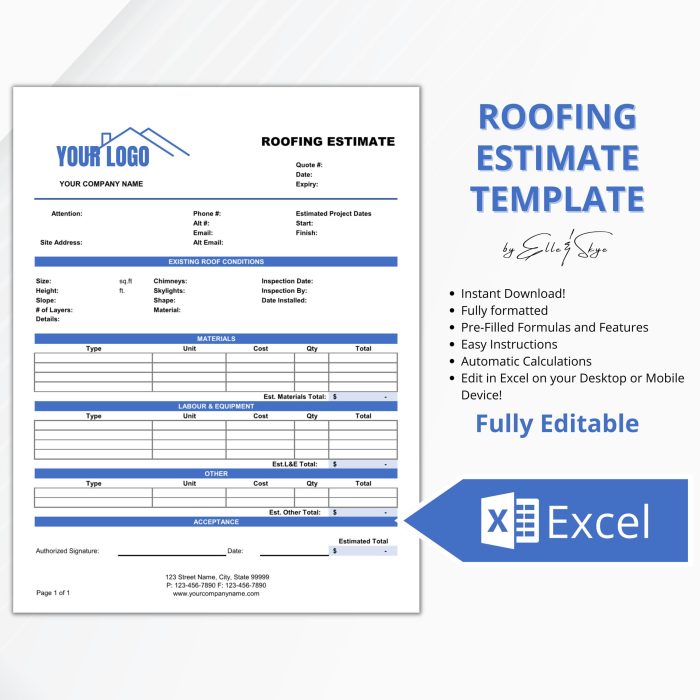
In a roof estimate, the materials used play a significant role in determining the overall cost. Let's delve into the details of materials cost breakdown.When it comes to roofing materials, there are several components that are typically included in a roof estimate.
These may include shingles, underlayment, flashing, ridge vents, nails, and other accessories. Each of these materials contributes to the durability and functionality of the roof.The quality and type of materials chosen can greatly influence the cost breakdown. High-quality materials, such as premium shingles or metal roofing, tend to come at a higher price point but offer better longevity and performance.
On the other hand, opting for more budget-friendly materials may result in lower initial costs but could require more frequent repairs or replacements in the long run.Accurate material measurements are crucial in estimating costs. Incorrect measurements can lead to underestimating or overestimating the amount of materials needed, resulting in cost discrepancies.
It is essential for contractors to take precise measurements to ensure an accurate estimation of material costs.When considering sustainable or eco-friendly options for roofing materials, it's important to note that these choices may impact pricing. Green roofing materials, such as solar panels or recycled shingles, are generally more expensive upfront but can provide long-term energy savings and environmental benefits.
Homeowners looking to reduce their carbon footprint may opt for these sustainable materials despite the initial higher cost.
Warranty Considerations
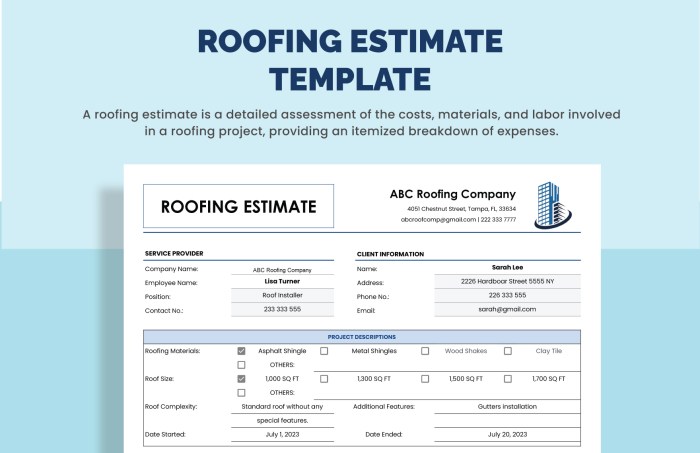
When getting a roof estimate breakdown, it's crucial to pay attention to the warranties offered by roofing contractors. Warranties provide peace of mind and protection for your investment in case of any issues with the roof.
Types of Warranties
- Manufacturer's Warranty: This covers defects in materials and is typically provided by the manufacturer of the roofing materials.
- Workmanship Warranty: This warranty guarantees the quality of the installation work done by the contractor.
- Extended Warranty: Some contractors offer extended warranties that provide additional coverage beyond the standard warranties.
Impact on Cost Estimate
The length and coverage of warranties can affect the overall cost estimate of your roof project. A comprehensive warranty with longer coverage may come at a higher cost but offers better protection and peace of mind.
Importance of Comprehensive Warranty
A comprehensive warranty is essential in situations where you want long-term protection for your roof investment. For example, in areas prone to severe weather conditions, having a strong warranty can save you from costly repairs in the future.
Closure
In conclusion, Roof Estimate Breakdown: Understanding Labor, Materials & Warranty sheds light on the critical aspects that homeowners and contractors should consider when assessing the costs associated with roofing projects. By understanding the breakdown of labor, materials, and warranty considerations, individuals can make informed decisions and ensure the success of their roofing endeavors.
Popular Questions
What factors contribute to labor costs in a roof estimate?
Labor costs in a roof estimate are influenced by factors such as the complexity of the project, the skill level of the laborers, and the time required to complete the job.
How does material quality and type impact the cost breakdown in a roof estimate?
The quality and type of materials used in a roofing project can significantly affect the cost breakdown. High-quality materials may have a higher upfront cost but can result in long-term savings through durability and performance.
Why are warranties important in a roof estimate breakdown?
Warranties play a crucial role in a roof estimate breakdown as they provide assurance to homeowners regarding the quality of work and materials used. They also offer protection in case of unforeseen issues post-installation.