When to Shop for Car Insurance After Moving to a New State becomes a crucial decision for many individuals. This guide aims to shed light on the key aspects to consider, helping you navigate the process with confidence and clarity.
Exploring factors like location impact on premiums, researching providers, understanding state-specific laws, and timing considerations are essential steps in securing the right car insurance post-relocation.
Factors to Consider When Shopping for Car Insurance After Moving
When you move to a new state, it's essential to consider several factors when shopping for car insurance to ensure you have the right coverage at the best price. The location change can impact insurance premiums due to various state-specific regulations and factors that insurers consider.
Reviewing state-specific insurance requirements is crucial to meeting legal obligations and protecting yourself financially.
State-Specific Insurance Regulations
Each state has its own set of insurance regulations that can affect the coverage options and premiums available to you. It's important to familiarize yourself with the minimum liability coverage requirements in your new state to ensure you meet the legal obligations.
Some states may also have additional coverage requirements, such as personal injury protection or uninsured motorist coverage.
Driving Conditions and Risk Factors
The driving conditions and risk factors in your new state can impact your insurance premiums. Factors such as traffic congestion, weather patterns, and crime rates can influence the likelihood of accidents and insurance claims. Insurers take these factors into account when determining your premium, so it's important to consider how the new environment may affect your insurance costs.
Insurance Providers and Discounts
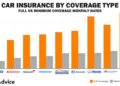
Insurance providers may vary by state, and some companies may offer discounts or specialized coverage options in certain regions. It's worth shopping around and comparing quotes from different insurers to find the best deal for your specific needs. Additionally, ask about any discounts you may be eligible for, such as safe driver discounts, multi-policy discounts, or discounts for taking a defensive driving course.
Vehicle Registration and Title Transfer
When you move to a new state, you'll need to update your vehicle registration and title with the local authorities. Your insurance provider may require this information to accurately set your premiums, as factors like the location where the vehicle is registered can impact your rates.
Make sure to update your registration and provide any necessary documentation to your insurer to avoid any issues with coverage.
Researching Car Insurance Providers
When it comes to finding the right car insurance provider in a new state, conducting thorough research is essential. Here are some tips on how to research and compare car insurance providers effectively:
Checking Customer Reviews and Ratings
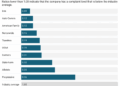
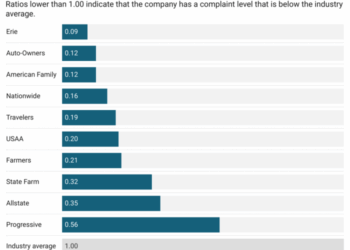
One of the most reliable ways to gauge the quality of an insurance provider is by checking customer reviews and ratings. Look for feedback from policyholders who have had experience with the company. Pay attention to any recurring complaints or praises to get an idea of the provider's reputation.
Benefits of Seeking Quotes from Multiple Insurance Companies
It's crucial to obtain quotes from multiple insurance companies when shopping for car insurance in a new state. By comparing quotes, you can find the best rates and coverage options that suit your needs. Different providers may offer varying discounts and incentives, so exploring multiple options can help you make an informed decision.
Understanding State-Specific Insurance Laws
When moving to a new state, it is crucial to understand the insurance laws of that state to ensure you have the right coverage and comply with legal requirements.
Impact of State Regulations on Coverage and Rates
State regulations can greatly affect the coverage options available to you and the rates you will pay for car insurance. Each state has its own minimum requirements for insurance coverage, which can vary significantly. Understanding these regulations will help you choose the appropriate coverage for your needs.
Familiarizing Yourself with Unique Insurance Requirements
One of the first steps in familiarizing yourself with the unique insurance requirements of the new state is to research the minimum coverage mandated by law. This typically includes liability coverage for bodily injury and property damage. Some states may also require additional coverage such as personal injury protection or uninsured motorist coverage.
Timing Considerations for Purchasing Car Insurance Post-Move
When it comes to shopping for car insurance after moving to a new state, timing plays a crucial role in ensuring you have the right coverage at the best rate. Delaying or rushing the insurance purchase can have significant impacts on both your coverage and costs.
Factors such as residency requirements, registration deadlines, and state-specific insurance laws can influence the timing of purchasing car insurance in a new state.
Residency Requirements and Registration Deadlines
One key factor to consider when timing your car insurance purchase post-move is the residency requirements and registration deadlines of your new state. Some states require you to update your insurance policy within a certain timeframe after establishing residency, while others may have specific deadlines for registering your vehicle.
Failing to adhere to these timelines can result in penalties or fines.
State-Specific Insurance Laws
Understanding the insurance laws of your new state is essential in determining the ideal timing for purchasing car insurance. Each state has its own regulations regarding minimum coverage requirements, liability limits, and additional coverage options. Researching these laws can help you make an informed decision on when to buy car insurance to comply with state mandates.
Insurance Premiums and Policy Options
The timing of purchasing car insurance can also impact your insurance premiums and the policy options available to you. Shopping around and comparing quotes from different insurers can help you find the best rates. However, delaying the purchase may result in missed opportunities for discounts or coverage options that could save you money in the long run.
Personal Circumstances and Driving Habits
Lastly, your personal circumstances and driving habits should also be taken into account when deciding on the timing of purchasing car insurance. Factors such as the frequency of your commute, your driving record, and the make and model of your vehicle can all influence the cost and coverage of your insurance policy.
Assessing these factors can help you determine the right time to secure car insurance in your new state.
Wrap-Up
In conclusion, being well-informed about when to shop for car insurance after moving to a new state can lead to significant savings and better coverage. Remember to consider all the factors discussed to make an informed decision that suits your needs.
FAQ Section
When is the ideal time to start shopping for car insurance after relocating to a new state?
It's recommended to start shopping for car insurance as soon as you establish residency in the new state to ensure continuous coverage.
How do state-specific insurance laws affect my coverage options?
State-specific laws can dictate the minimum coverage required, affecting your policy options and rates. It's crucial to understand these laws for compliance.
Is it necessary to obtain quotes from multiple insurance companies?
Seeking quotes from different providers allows you to compare prices and coverage options, helping you make an informed decision.